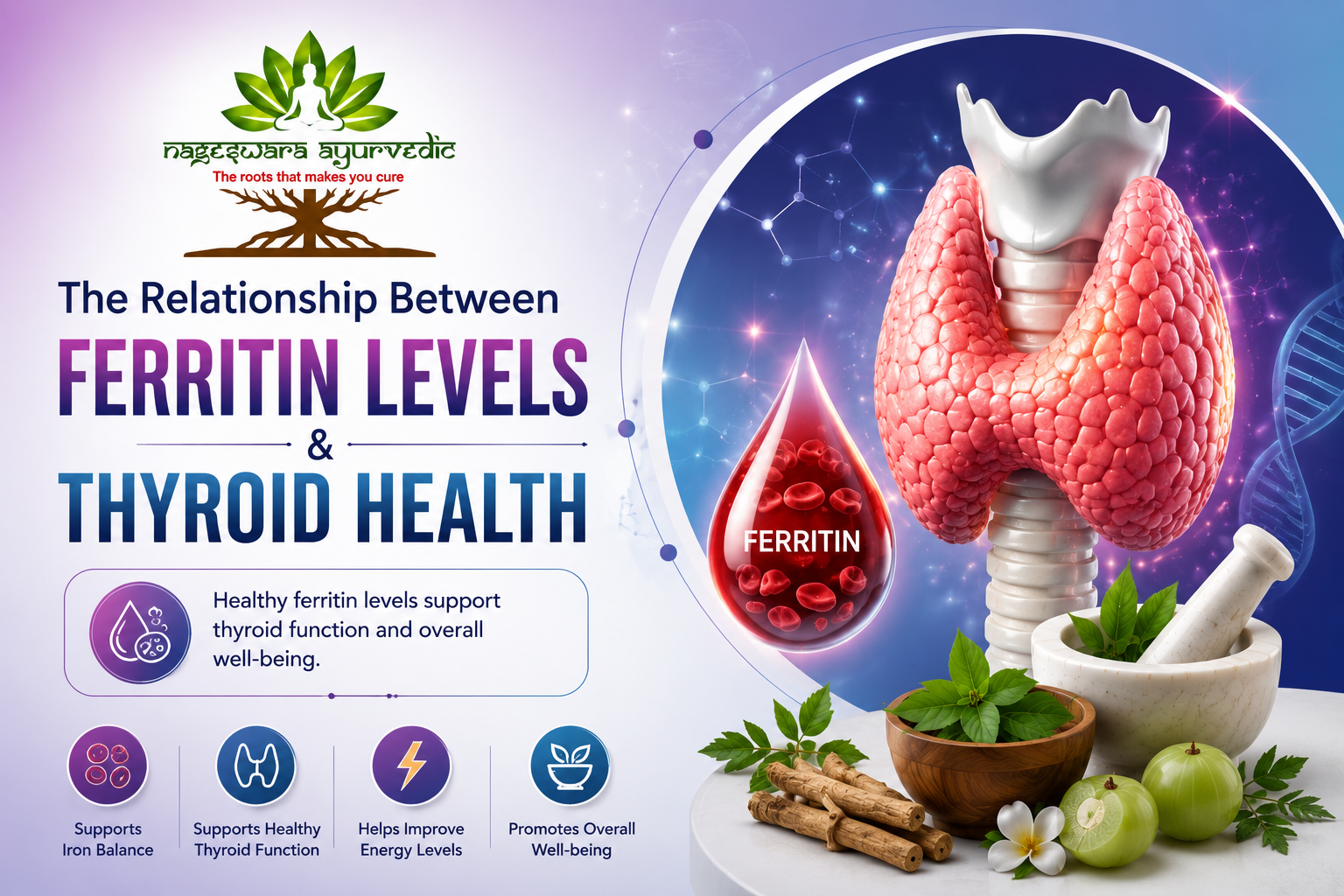
Ferritin is a protein that stores iron within the body and serves as an important indicator of iron reserves. Adequate ferritin levels are essential for various bodily functions, including energy production, oxygen transport, immune support, and healthy thyroid function. When ferritin levels become low, the body may struggle to maintain normal physiological processes, potentially affecting overall health and well-being.
The thyroid gland plays a crucial role in regulating metabolism, growth, and energy balance. Research has shown that iron is involved in the production and proper functioning of thyroid hormones. Therefore, maintaining healthy ferritin levels is considered important for supporting optimal thyroid health.
Why Ferritin Matters for Thyroid Function
Iron is a key component in several enzymatic processes that help produce thyroid hormones. Low ferritin levels may affect the body’s ability to efficiently support thyroid hormone synthesis and utilization. Individuals with reduced iron stores often experience symptoms such as fatigue, weakness, poor concentration, hair loss, and reduced energy levels, which can sometimes overlap with thyroid-related concerns.
Monitoring ferritin levels as part of a comprehensive health assessment may provide valuable insights into overall wellness and nutritional status.
Common Causes of Low Ferritin
Several factors can contribute to decreased ferritin levels, including:
- Inadequate dietary iron intake
- Poor absorption of nutrients
- Chronic digestive issues
- Heavy menstrual bleeding
- Long-term health conditions
- Increased nutritional demands
Identifying and addressing the underlying cause is important for maintaining healthy iron stores and supporting overall health.
Supporting Thyroid Health Through Holistic Wellness
A balanced lifestyle plays a significant role in supporting thyroid function and overall well-being. Consuming nutrient-rich foods, maintaining healthy eating habits, staying physically active, and managing stress can help promote better health outcomes.
Many individuals explore Ayurvedic Treatment as part of a holistic wellness approach. Traditional wellness practices emphasize balanced nutrition, proper digestion, healthy daily routines, stress management, and natural lifestyle modifications that support overall vitality and wellness.
Natural Wellness Practices for Better Health
Ayurveda places strong emphasis on maintaining harmony within the body. Healthy digestion, proper nutrient absorption, quality sleep, and emotional balance are considered important factors for overall wellness. Traditional herbs such as Ashwagandha, Amla, Guduchi, and other wellness-supportive herbs are commonly used in Ayurvedic practice to promote vitality and general health.
Yoga, meditation, breathing exercises, and mindful living practices may further support physical and mental well-being while encouraging a balanced lifestyle.
The Value of Personalized Healthcare
Every individual has unique health needs and nutritional requirements. An Ayurvedic Hospital focuses on personalized wellness strategies designed to support overall health rather than addressing isolated symptoms alone. Through individualized guidance, dietary recommendations, lifestyle counseling, and holistic wellness programs, patients receive comprehensive care aimed at improving long-term well-being.
A Best Ayurvedic Hospital often combines traditional Ayurvedic principles with a patient-centered approach, helping individuals work toward better health through natural and supportive wellness practices.
Looking Beyond Laboratory Values
While ferritin levels provide useful information about iron stores, overall health should be evaluated through a broader perspective that includes nutrition, lifestyle, emotional well-being, and medical guidance when needed. A holistic approach encourages individuals to focus on sustainable wellness habits that support both thyroid health and overall quality of life.
Conclusion
Ferritin and thyroid health are closely connected through the body’s nutritional and metabolic processes. Maintaining healthy iron stores, following a balanced lifestyle, and seeking appropriate healthcare guidance can contribute to improved wellness. Along with conventional medical evaluation, many individuals choose Ayurvedic Treatment and guidance from an Ayurvedic Hospital to support overall health naturally. A comprehensive approach that includes proper nutrition, healthy routines, and holistic wellness practices can help promote long-term vitality and well-being.