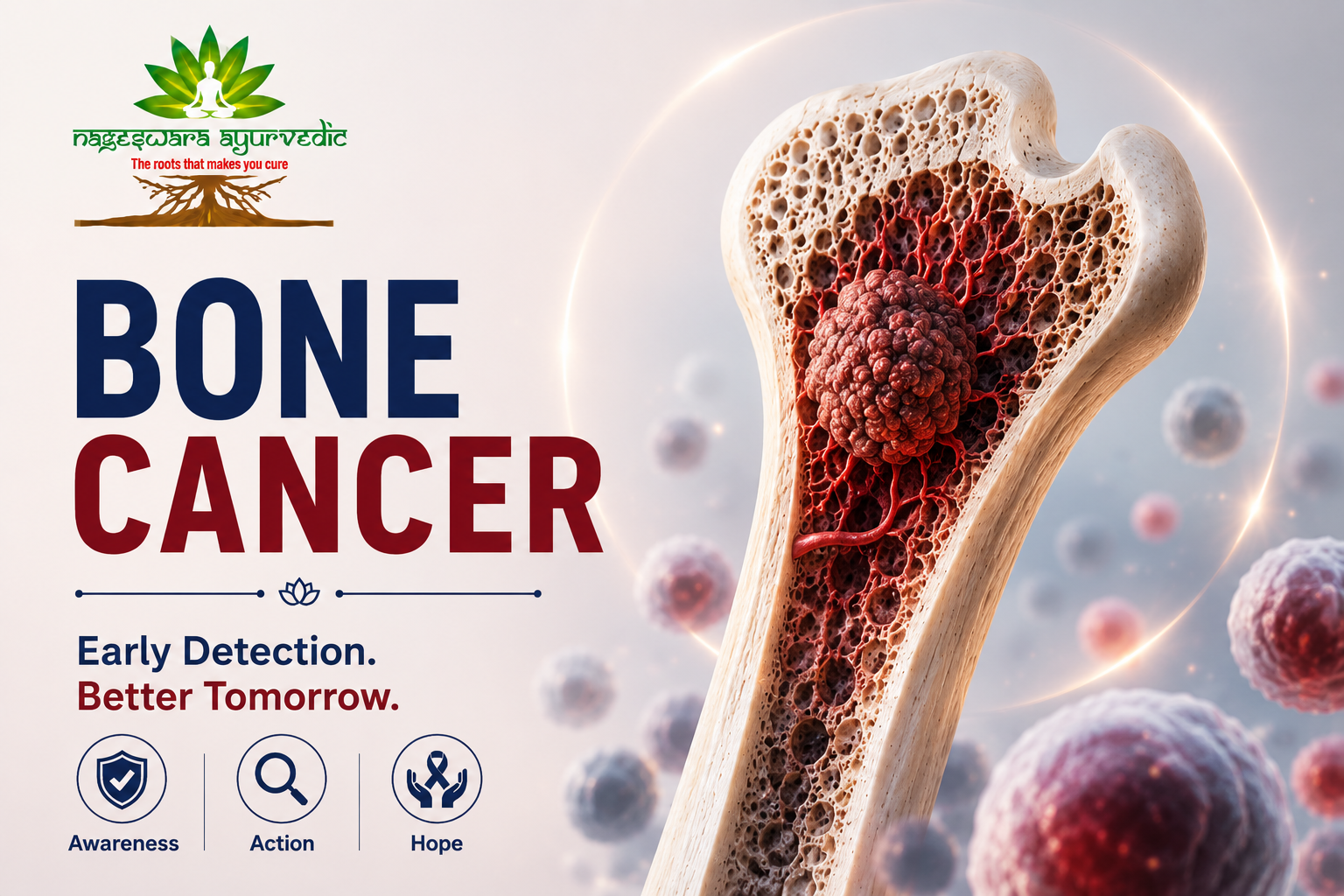
Bone cancer is a rare condition that develops when abnormal cells grow within bone tissue. While many cases occur without a clearly identified cause, researchers continue to study the role that genetics may play in the development of certain bone cancers. Understanding genetic influences can help individuals become more aware of potential risk factors and support proactive health management.
The Role of Genetics in Bone Cancer
Genes carry important instructions that control how cells grow, divide, and repair themselves. Sometimes, genetic mutations can affect these normal processes, leading to uncontrolled cell growth. Certain inherited genetic conditions have been associated with an increased risk of developing bone cancer, although having a genetic predisposition does not guarantee that cancer will occur.
Researchers have identified several hereditary syndromes that may increase susceptibility to specific types of bone tumors. Family medical history and genetic factors are often considered when evaluating an individual’s overall health risks.
Factors That May Increase Risk
While genetics can contribute to risk, bone cancer development is often influenced by multiple factors working together. These may include:
- Inherited genetic mutations
- Family history of certain cancers
- Previous exposure to radiation therapy
- Certain rare genetic disorders
- Abnormal bone growth conditions
It is important to remember that many individuals with these risk factors never develop bone cancer, while some people diagnosed with bone cancer may have no identifiable genetic predisposition.
Importance of Early Health Awareness
Recognizing unusual symptoms and seeking medical attention promptly can be important for maintaining bone health. Persistent bone pain, swelling, unexplained fractures, or limited joint movement should always be evaluated by qualified healthcare professionals.
Routine health check-ups and awareness of family medical history may help individuals make informed healthcare decisions and support early detection efforts when necessary.
Supporting Overall Wellness Naturally
Maintaining overall health involves more than addressing physical symptoms alone. Balanced nutrition, regular exercise, proper sleep, emotional well-being, and healthy lifestyle habits all contribute to long-term wellness. Many individuals seek guidance from an Ayurvedic Hospital to complement their wellness journey through natural and holistic health practices.
Ayurveda emphasizes supporting the body’s natural balance through personalized nutrition, healthy daily routines, stress management, and wellness-focused living. These practices are designed to promote vitality, immunity, and overall well-being.
Integrating Holistic Wellness Into Daily Life
Many people explore Ayurvedic Treatment as part of a broader approach to health management. Traditional Ayurvedic principles encourage maintaining harmony between the body, mind, and environment. Herbal wellness support, yoga, meditation, breathing exercises, and mindful lifestyle practices are commonly incorporated to support general health and quality of life.
An experienced Best Ayurvedic Hospital often provides individualized wellness recommendations that focus on long-term health goals rather than short-term symptom management. This personalized approach helps individuals build healthier habits and improve overall wellness.
A Holistic View of Bone Health
Bone health depends on multiple factors, including nutrition, physical activity, hormonal balance, and overall body function. Consuming nutrient-rich foods, maintaining an active lifestyle, and supporting general wellness can contribute to healthier bones and improved quality of life.
While genetics cannot be changed, adopting healthy lifestyle practices may help individuals take a proactive role in their overall well-being and health management.
Conclusion
Genetic factors may play a role in certain cases of bone cancer, but they represent only one part of a complex health picture. Understanding hereditary influences, maintaining regular medical evaluations, and following healthy lifestyle practices can support long-term wellness. Alongside conventional healthcare, many individuals turn to Ayurvedic Treatment and guidance from an Ayurvedic Hospital to promote holistic health, natural balance, and overall well-being.