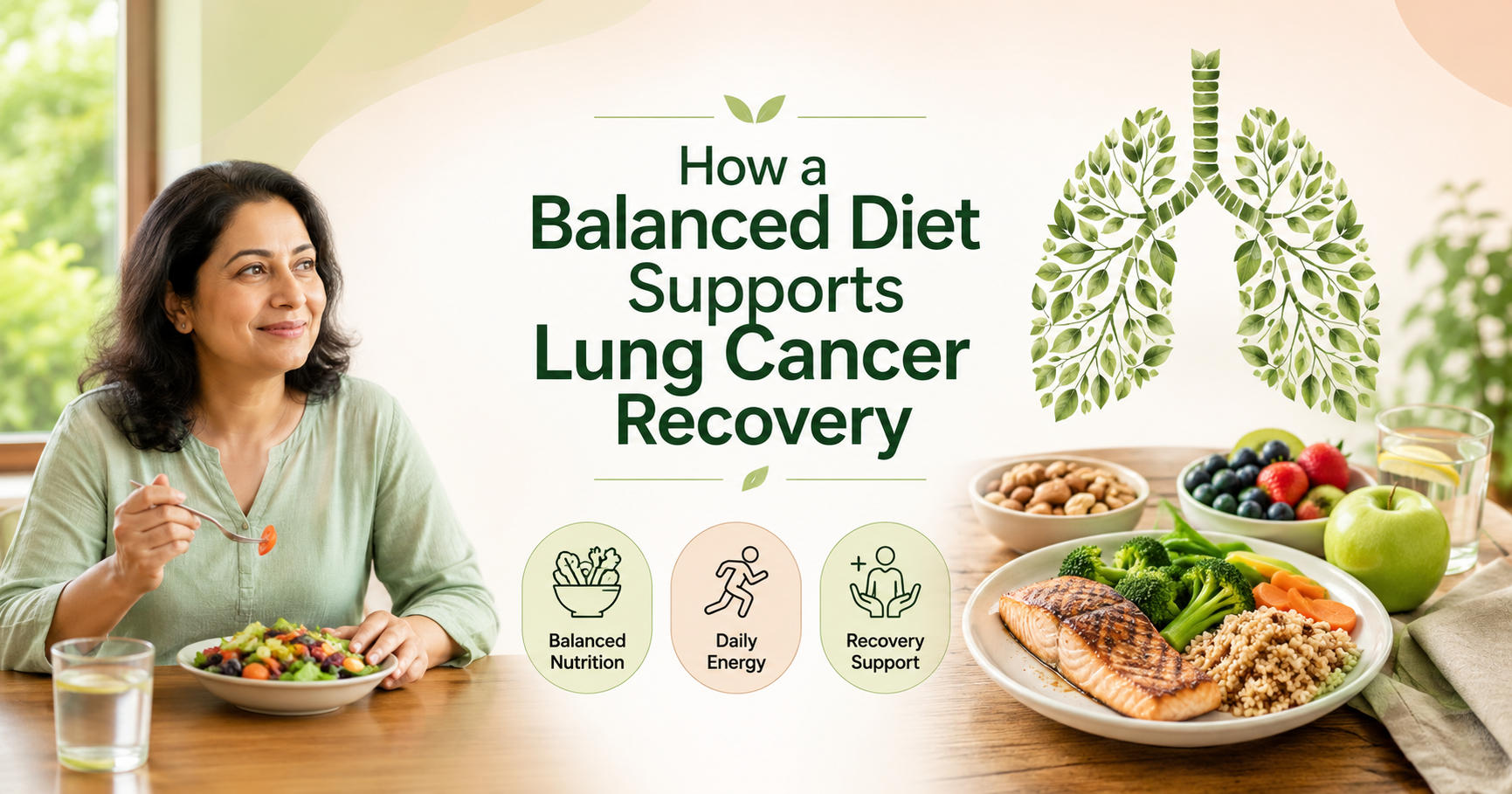
Food Choices Can Influence the Recovery Journey
Recovery after lung cancer treatment is different for every individual. Whether a person has undergone surgery, chemotherapy, radiation therapy, or a combination of treatments, the body needs time to regain strength. During this period, eating a balanced and nourishing diet becomes an important part of overall recovery.
The purpose of healthy eating is not to cure lung cancer but to help the body receive the nutrients it needs for tissue repair, maintaining muscle mass, supporting energy levels, and promoting general well-being. Choosing a variety of wholesome foods every day helps create a strong nutritional foundation throughout the recovery process.
Why the Body Needs Extra Nutrition After Treatment
Cancer treatment can temporarily increase the body’s nutritional requirements. Healing tissues, rebuilding cells, and maintaining normal body functions require energy, protein, vitamins, and minerals.
When the body receives enough nourishment, it is better equipped to regain strength and perform daily activities. A balanced diet also helps support overall health while recovering from treatment.
Foods That Can Support Recovery
Instead of focusing on one “superfood,” aim for balanced meals that include different food groups.
Protein-Rich Foods
Protein supports tissue repair and helps maintain muscle strength.
Good choices include:
- Lentils
- Chickpeas
- Green gram
- Eggs
- Fish
- Skinless chicken
- Tofu
- Low-fat milk and curd
Fresh Fruits
Fruits provide vitamins, minerals, fibre, and natural antioxidants.
Choose fruits such as:
- Apples
- Guava
- Papaya
- Oranges
- Pomegranate
- Berries (when available)
Eating a variety of seasonal fruits helps increase nutrient intake naturally.
Colourful Vegetables
Vegetables contribute essential nutrients that support normal body functions.
Include:
- Spinach
- Broccoli
- Carrots
- Cabbage
- Cauliflower
- Beetroot
- Pumpkin
- Bottle gourd
Preparing vegetables by steaming or lightly cooking them may help preserve nutrients while making them easier to digest.
Whole Grains
Whole grains provide steady energy and dietary fibre.
Healthy options include:
- Brown rice
- Oats
- Millets
- Whole wheat
- Quinoa
Replacing refined grains with whole grains can be part of a balanced eating pattern.
Healthy Fats
Healthy fats are important for overall nutrition.
Include moderate amounts of:
- Almonds
- Walnuts
- Flaxseeds
- Chia seeds
- Olive oil
These foods can be included as part of balanced meals rather than consumed in excess.
Staying Hydrated Is Equally Important
Water plays an essential role in maintaining normal body functions during recovery. Adequate fluid intake supports digestion, circulation, and overall well-being.
Along with plain water, clear soups, fresh coconut water (if medically appropriate), and homemade buttermilk may help contribute to daily hydration.
Make Eating Easier Throughout the Day
Some individuals may find large meals uncomfortable after treatment. Eating smaller portions more frequently can help make meals easier to manage.
Planning nutritious snacks between meals can also improve daily nutrient intake without creating discomfort.
Focus on Freshly Prepared Meals
Fresh home-cooked meals are often a healthier choice than highly processed foods. Simple cooking methods such as steaming, boiling, grilling, or light sautéing help prepare nutritious meals without excessive oil.
Limiting packaged foods, deep-fried items, and sugar-rich beverages supports overall dietary quality during recovery.
Every Recovery Plan Is Different
Nutritional needs vary from one person to another. Factors such as age, body weight, treatment type, appetite, and other medical conditions influence dietary requirements.
Healthcare professionals or registered dietitians can provide individualized nutritional guidance based on each person’s recovery needs.
Conclusion
Recovering from lung cancer involves more than completing treatment. A balanced diet provides the body with the nutrients needed to rebuild strength, maintain energy, and support overall health.
Including protein-rich foods, colourful fruits and vegetables, whole grains, healthy fats, adequate fluids, and freshly prepared meals can become part of a well-balanced recovery plan. Combined with regular medical follow-up and healthy daily habits, good nutrition supports the body’s natural healing process and contributes to long-term well-being.