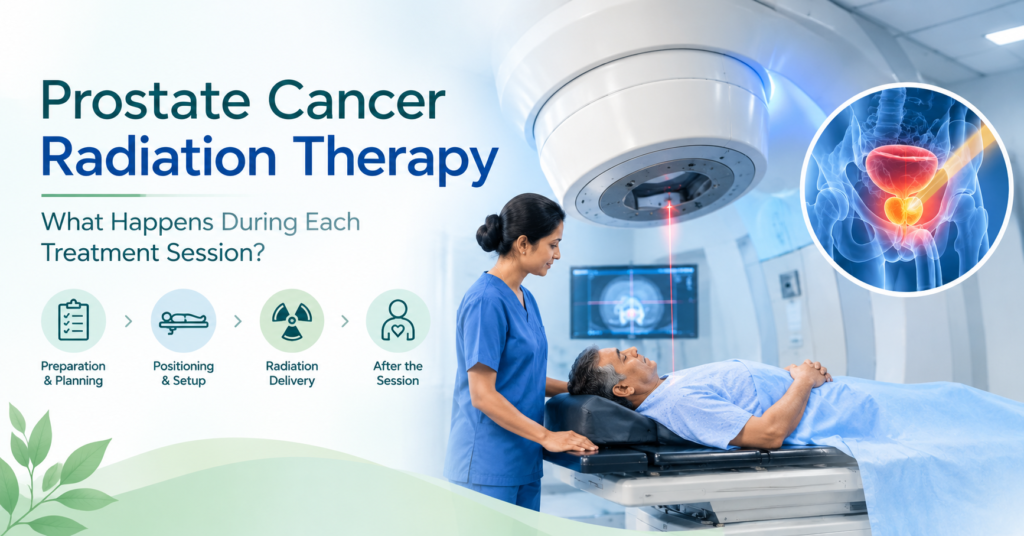
A prostate cancer diagnosis can leave men and their families searching for ways to feel more comfortable and supported during treatment. Alongside medical care, some patients explore Ayurveda because of its traditional approach to health and well-being. However, understanding how Ayurvedic practices may fit into a cancer care plan—and where their limitations lie—is essential.
Ayurvedic support during prostate cancer treatment should be approached thoughtfully, with attention to safety, the patient’s individual needs, and coordination with the treating oncology team. The goal should be to support overall well-being without interfering with treatments that are intended to control the cancer.
Understanding the Role of Ayurveda in Cancer Care
Ayurveda is a traditional Indian system of health that includes herbal preparations, dietary approaches, and other practices. Some people explore these options to complement their existing medical care, particularly when dealing with the emotional and physical demands of cancer treatment.
It is important to distinguish supportive care from cancer treatment itself. Surgery, radiation therapy, hormone therapy, chemotherapy, and other evidence-based treatments may be recommended depending on the cancer’s stage and characteristics. Ayurveda has not been proven to cure prostate cancer or replace these treatments.
A responsible approach focuses on whether a specific complementary practice is appropriate for the patient, rather than assuming that every traditional remedy is safe or effective.
Why Individual Assessment Matters Before Starting Ayurvedic Products
There is no single Ayurvedic preparation that is suitable for every man with prostate cancer. A patient’s treatment plan, other medical conditions, current medicines, and test results can all influence what may be appropriate.
For example, a man receiving hormone therapy may have different care needs from someone preparing for surgery or undergoing radiation therapy. Patients with liver or kidney problems may also require additional precautions when considering herbal products.
Before beginning any Ayurvedic medicine, powder, capsule, or concentrated herbal extract, patients should arrange a review with their treating doctor and a qualified practitioner. The exact ingredients, dose, frequency, and intended purpose should be clearly documented.
This assessment helps the healthcare team identify potential risks and decide whether the proposed product should be avoided, delayed, or monitored.
Can Ayurvedic Medicines Interact With Prostate Cancer Treatment?
Yes. Some herbal products and dietary supplements can change how medicines are absorbed, processed, or eliminated by the body. This may affect a medicine’s effectiveness or increase the risk of side effects. Research on many individual herbal products remains limited, so the absence of known problems does not guarantee safety.
This is particularly important for patients taking oral cancer medicines, hormone therapy, blood-thinning medicines, pain medicines, or drugs used to manage other health conditions. Products taken before or after surgery may also require special consideration.
Patients should not assume that a product is safe simply because it is natural, traditional, or available without a prescription. They should share the product label or full ingredient list with their medical team and never stop prescribed cancer medicines to begin an alternative remedy.
What About Ayurvedic Therapies for Treatment-Related Discomfort?
Some patients look for complementary approaches to help them cope with stress, changes in sleep, reduced energy, or the emotional strain of treatment. Certain non-drug approaches, such as appropriately adapted relaxation practices or gentle mind-body activities, may help some people manage these challenges.
However, the benefit depends on the specific practice and the patient’s medical condition. For instance, exercise or physical therapies may need modification after surgery or when bone involvement, dizziness, pain, or other complications are present.
Persistent symptoms should always be assessed by the treating medical team. Urinary difficulties, new or worsening pain, unusual bleeding, fever, or significant changes in general health should not be managed solely with complementary therapies.
How to Recognize Responsible Ayurvedic Support
Patients can make more informed decisions by evaluating the practitioner, the proposed treatment, and the claims being made.
A responsible practitioner should explain the intended purpose of the therapy, discuss known uncertainties, review current medicines, and encourage communication with the oncology team. They should also be willing to coordinate care rather than asking patients to conceal their use of herbal products.
Be cautious of anyone who promises a guaranteed cure, claims that all conventional cancer treatment is unnecessary, or recommends stopping prescribed medicines. Claims based only on testimonials or personal stories do not establish that a treatment is effective.
When considering an Ayurvedic cancer hospital, patients should ask how the team coordinates with conventional cancer specialists, checks possible medicine interactions, monitors safety, and responds if a patient’s condition changes.
Questions to Ask Before Beginning Complementary Care
A consultation is an opportunity to understand the possible benefits and risks before making a decision. Patients may find it useful to ask:
- What is the specific purpose of this therapy?
- Is there reliable clinical evidence that it helps with my concern?
- Could it interact with my cancer medicines or other prescriptions?
- What side effects should I watch for?
- Will any blood tests or other monitoring be needed?
- How will my oncology team be kept informed?
Clear answers can help patients avoid unnecessary risks and make choices that fit their treatment plan.
How Nageswara Ayurvedic Hospital Can Fit Into a Patient’s Care Journey
Patients exploring Ayurvedic support should seek individualized guidance that takes their diagnosis, ongoing treatment, and overall health into account. At Nageswara Ayurvedic Hospital, discussions about supportive Ayurvedic care should include the patient’s current medical treatment, relevant reports, medicines, and concerns.
Any proposed complementary approach should be considered in coordination with the patient’s oncology team. This allows questions about safety and possible interactions to be addressed before a new product or therapy is introduced.
The focus should remain on informed decisions, realistic expectations, and the patient’s overall well-being—not on promises of a cancer cure.
Final Thoughts
Ayurvedic support during prostate cancer treatment requires careful evaluation rather than a one-size-fits-all approach. Patients may explore complementary options for personal or cultural reasons, but each product or practice should be assessed for its potential benefits, risks, and compatibility with prescribed care.
Open communication between patients, Ayurvedic practitioners, and oncology professionals is an important part of safer decision-making. Most importantly, complementary care should support—not delay or replace—evidence-based prostate cancer treatment.