For many years, colorectal cancer was considered a disease that mainly affected older adults. However, in recent years, doctors have noticed a worrying trend—more young adults are being diagnosed with colorectal cancer, even before the age of 50.
This increase has raised concerns worldwide because many younger people do not expect to develop this condition. As a result, early warning signs are often ignored, leading to delayed diagnosis and treatment.
What is Colorectal Cancer?
Colorectal cancer is a type of cancer that begins in the colon (large intestine) or the rectum, which are important parts of the digestive system. It usually starts as small, non-cancerous growths called polyps. Over time, some of these polyps can develop into cancer if they are not detected and removed.
The good news is that colorectal cancer is often treatable when it is diagnosed early.
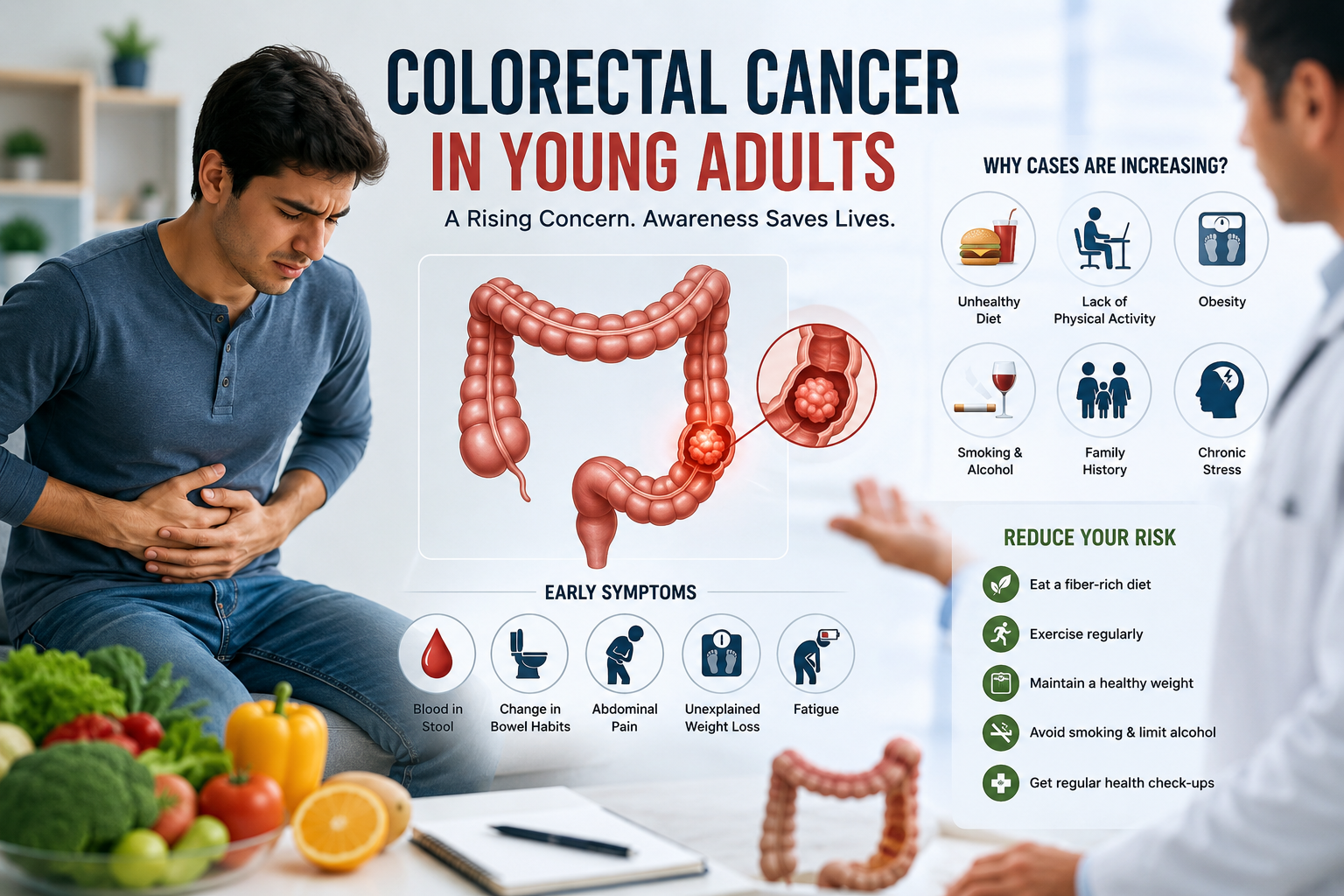
Why Are Cases Increasing in Young Adults?
Researchers are still studying the exact reasons, but several lifestyle and environmental factors may be contributing to the rise.
1. Unhealthy Eating Habits
A diet high in processed foods, red meat, sugary drinks, and fast food may increase the risk of colorectal cancer. Eating fewer fruits, vegetables, and whole grains means the body gets less fiber, which is important for digestive health.
2. Lack of Physical Activity
Spending long hours sitting, working on computers, and getting very little exercise can negatively affect overall health and may increase the risk of several diseases, including colorectal cancer.
3. Obesity
Being overweight or obese is linked to a higher risk of colorectal cancer. Excess body fat can cause inflammation and hormonal changes that may contribute to cancer development.
4. Family History
People with a family history of colorectal cancer or inherited genetic conditions may have a higher risk of developing the disease at a younger age. If close family members have had colorectal cancer, it is important to discuss screening with a healthcare professional.
5. Smoking and Alcohol
Regular tobacco use and excessive alcohol consumption have been associated with an increased risk of colorectal cancer. Avoiding these habits can improve overall health and reduce cancer risk.
Early Symptoms You Should Not Ignore
Many people mistake the early symptoms for common digestive problems. If any of these symptoms continue for more than a few weeks, it is important to seek medical advice.
Blood in the stool or rectal bleeding
Persistent changes in bowel habits, such as diarrhea or constipation
Narrow or pencil-thin stools
Frequent stomach pain, cramps, or bloating
Unexplained weight loss
Ongoing tiredness or weakness
Feeling that the bowel does not empty completely
These symptoms do not always mean cancer, but they should never be ignored.
Can Colorectal Cancer Be Prevented?
While not every case can be prevented, adopting healthy lifestyle habits may help lower the risk.
Here are some simple steps:
Eat plenty of fruits, vegetables, whole grains, and fiber-rich foods.
Limit processed meat and red meat.
Exercise regularly and stay physically active.
Maintain a healthy body weight.
Avoid smoking and limit alcohol consumption.
Drink enough water every day.
Go for regular health check-ups, especially if you have a family history of colorectal cancer.
Why Early Detection Matters
Colorectal cancer often develops slowly over several years. Detecting it early greatly improves the chances of successful treatment.
People with symptoms, a family history, or other risk factors should not delay consulting a qualified healthcare professional. In some cases, doctors may recommend screening tests such as stool-based tests or a colonoscopy based on individual risk.
How Ayurveda Can Support Overall Well-Being
Ayurveda focuses on maintaining balance in the body through a healthy diet, proper digestion, lifestyle practices, and personalized care. While Ayurveda is not a replacement for standard cancer diagnosis or treatment, it may help support overall wellness, digestive health, and quality of life when used under the guidance of qualified healthcare professionals and alongside conventional medical care.
Always discuss any complementary therapies with your treating doctor before starting them.
Conclusion
The rise of colorectal cancer in young adults is a reminder that age alone does not determine cancer risk. Paying attention to your body, recognizing early warning signs, and following a healthy lifestyle can make a significant difference.
If you notice persistent digestive symptoms or have a family history of colorectal cancer, do not ignore them. Seeking medical advice early can lead to timely diagnosis and better treatment outcomes. Awareness, early detection, and healthy living remain some of the most effective tools in reducing the impact of colorectal cancer.