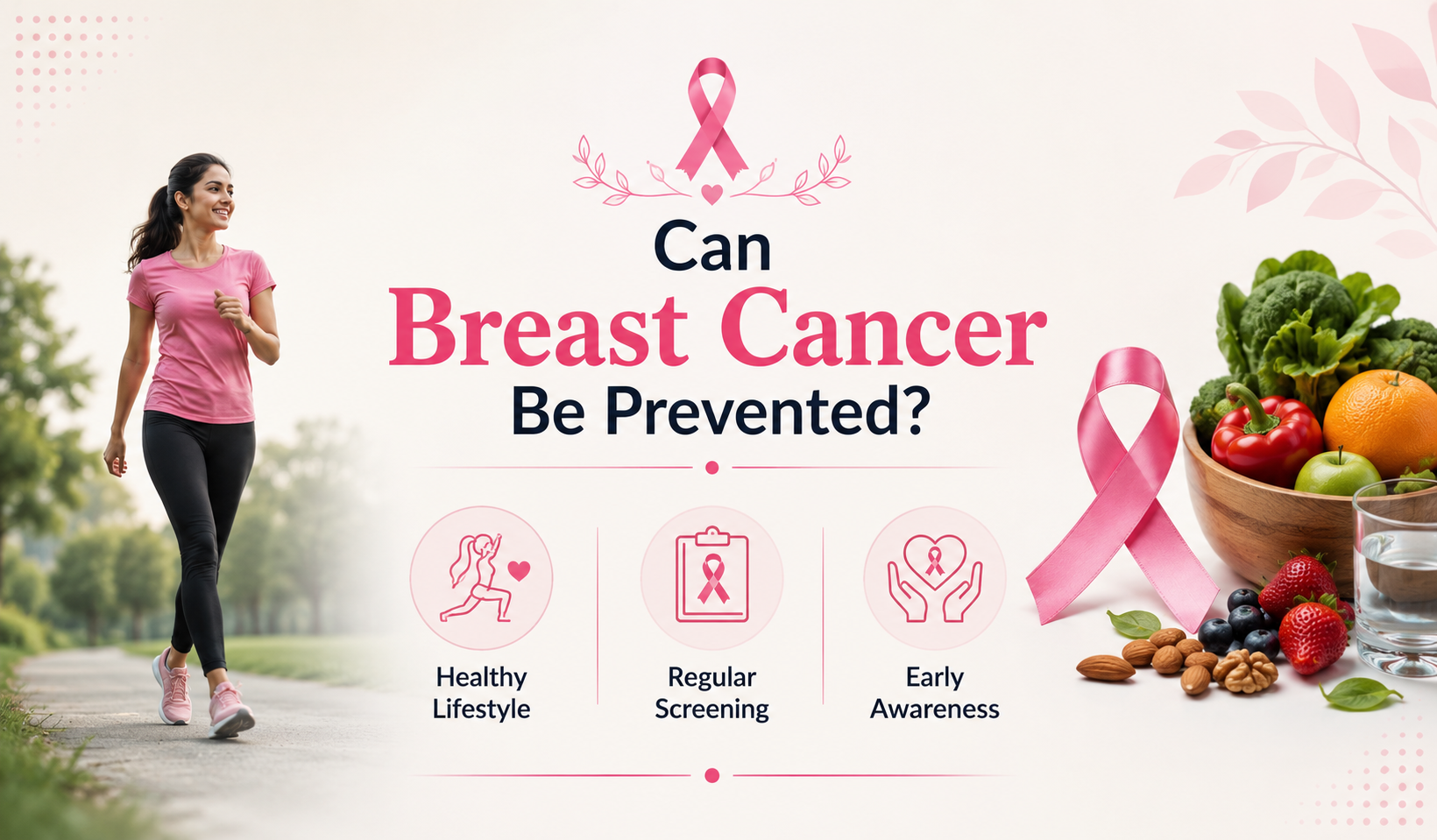
When people hear about breast cancer, one of the first questions they ask is, “Can it be prevented?” The answer isn’t a simple yes or no. There is no guaranteed way to completely prevent breast cancer, but there are many healthy choices that may help reduce your risk and support your overall well-being.
Prevention isn’t about living in fear or making drastic lifestyle changes overnight. Instead, it’s about building healthy habits that protect your body over time. Every positive choice you make today is an investment in your future health.
Prevention Begins with Everyday Choices
Breast cancer develops due to a combination of factors, including age, genetics, hormones, and lifestyle. While some risk factors cannot be changed, many daily habits are within your control.
Adopting a healthier lifestyle doesn’t guarantee that breast cancer will never occur, but it can contribute to better overall health and may help reduce the risk of several chronic diseases, including certain cancers.
Maintain a Healthy Body Weight
Maintaining a healthy weight is one of the most important steps toward better breast health. Excess body fat, particularly after menopause, has been associated with an increased risk of breast cancer.
Choose balanced meals that include plenty of vegetables, fruits, whole grains, lean proteins, legumes, and healthy fats. Rather than following restrictive diets, focus on long-term eating habits that nourish your body.
Make Physical Activity Part of Your Routine
Regular physical activity offers benefits far beyond weight management. Exercise supports hormonal balance, improves circulation, boosts energy levels, and contributes to overall wellness.
Simple activities such as brisk walking, cycling, yoga, swimming, or light strength training for at least 30 minutes on most days of the week can have a positive impact on your health.
Nourish Your Body with Healthy Foods
Although no single food can prevent breast cancer, eating a nutrient-rich diet supports your body’s natural functions.
Foods to Include
- Fresh fruits such as berries, apples, oranges, guava, and pomegranate
- Green leafy vegetables including spinach, kale, and fenugreek
- Cruciferous vegetables like broccoli, cauliflower, and cabbage
- Whole grains such as oats, brown rice, and millets
- Lentils, beans, chickpeas, and sprouts
- Lean protein sources including fish, skinless chicken, eggs, tofu, and paneer
- Healthy fats from almonds, walnuts, flaxseeds, chia seeds, and olive oil
Foods to Limit
- Processed meats such as sausages, bacon, and salami
- Sugary drinks and packaged desserts
- Deep-fried and fast foods
- Highly processed snacks
- Excessive alcohol
- Foods high in trans fats and excessive salt
A balanced diet should always be combined with other healthy lifestyle habits rather than relied upon as a single preventive measure.
Avoid Tobacco and Limit Alcohol
Smoking and tobacco use increase the risk of several cancers and other serious health conditions. Quitting tobacco is one of the most beneficial decisions you can make for your long-term health.
Similarly, limiting alcohol consumption may help lower breast cancer risk. If you choose to drink, moderation is important.
Don’t Skip Regular Screening
Many women feel healthy and assume screening is unnecessary. However, breast cancer can develop without causing noticeable symptoms in its early stages.
Routine clinical breast examinations, mammograms when recommended, and becoming familiar with the normal look and feel of your breasts can help identify changes early. Early detection often leads to more treatment options and improved outcomes.
Know Your Family History
Understanding your family’s medical history is an important part of preventive healthcare. If close relatives have been diagnosed with breast cancer, discuss your risk with a healthcare professional. They may recommend earlier or more frequent screening based on your individual risk profile.
Prioritize Your Overall Well-Being
Good health extends beyond diet and exercise. Getting adequate sleep, managing stress, staying hydrated, and maintaining emotional well-being all contribute to a healthier lifestyle.
Many individuals also include yoga, meditation, and other relaxation techniques in their daily routine to support both physical and mental wellness.
A Holistic Approach to Breast Health
Ayurveda emphasizes the importance of balanced nutrition, healthy digestion, regular physical activity, proper sleep, and a disciplined daily routine for maintaining overall wellness. Many people choose Ayurvedic supportive care alongside conventional medical advice to promote healthier living.
However, Ayurveda should complement—not replace—recommended breast cancer screening, diagnosis, or evidence-based medical treatment.
Conclusion
While breast cancer cannot always be prevented, many healthy lifestyle choices can help reduce your overall risk and improve your quality of life. Eating nutritious foods, staying active, avoiding tobacco, limiting alcohol, maintaining a healthy weight, and participating in regular screening are all meaningful steps toward protecting your breast health.
Prevention is not about achieving perfection—it’s about making consistent, informed choices that support your well-being. By taking care of your body today and staying aware of your health, you can play an active role in reducing risk and promoting a healthier future.