
What is Melanoma Skin Cancer?
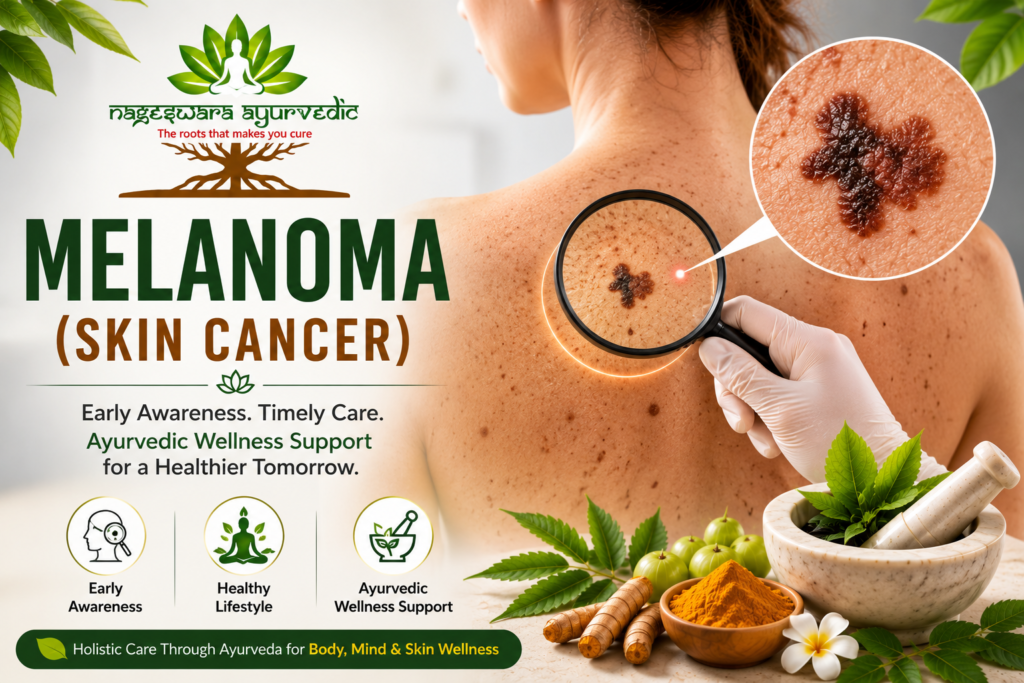
Melanoma is a serious type of skin cancer that develops in melanocytes, the cells responsible for producing melanin, the pigment that gives color to the skin. Although it is less common than other forms of skin cancer, melanoma can spread to other parts of the body if not detected early. It may appear as a new dark spot, an unusual skin growth, or noticeable changes in an existing mole. Regular skin examinations and awareness of unusual skin changes are important for maintaining skin health and overall wellness.
Common Signs and Symptoms of Melanoma
The symptoms of melanoma skin cancer may vary among individuals. Common signs include changes in the size, shape, texture, or color of a mole. A mole may become asymmetrical, develop irregular borders, or display multiple colors such as black, brown, red, or blue. Some people may experience itching, tenderness, or bleeding in the affected area. Early recognition of these warning signs and timely medical consultation can help support better skin health awareness.
Risk Factors Associated with Melanoma
Several factors can increase the risk of developing melanoma. Excessive exposure to ultraviolet (UV) radiation from the sun, repeated sunburns, use of tanning beds, fair skin, family history of skin cancer, and a large number of moles are common risk factors. Individuals with weakened immunity may also be at a higher risk. Protecting the skin from excessive sun exposure and maintaining healthy lifestyle habits can contribute to overall skin wellness.
Ayurvedic Perspective on Skin Wellness
According to Ayurveda, healthy skin reflects the balance of the body’s internal systems. Proper digestion, balanced nutrition, emotional well-being, and healthy daily habits are considered essential for maintaining skin wellness. Ayurveda emphasizes a holistic approach that focuses on supporting the body’s natural balance rather than addressing only external symptoms. Through healthy lifestyle management and wellness-focused practices, Ayurveda promotes overall well-being and vitality.
Herbal Wellness Support in Ayurveda
Traditional Ayurvedic wellness practices often include herbs such as Neem, Turmeric, Manjistha, Guduchi, and Amla. These herbs are valued for their role in supporting overall wellness, vitality, and healthy skin. Herbal wellness support is commonly combined with balanced nutrition, detoxification practices, and healthy lifestyle modifications to encourage natural body balance and long-term wellness.
Importance of Immunity and Emotional Well-Being
Strong immunity and emotional wellness are important aspects of overall health. Individuals facing long-term health concerns may experience emotional stress and physical fatigue. Ayurveda encourages practices such as yoga, meditation, breathing exercises, and relaxation techniques to support mental and emotional balance. A healthy mind and a balanced lifestyle can positively influence overall well-being and quality of life.
Healthy Lifestyle for Skin Wellness
A healthy lifestyle plays an important role in supporting skin health and overall wellness. Ayurveda recommends consuming fresh fruits, vegetables, whole grains, and nutrient-rich foods while maintaining proper hydration. Regular physical activity, yoga, meditation, stress management, and adequate sleep are also encouraged. These habits may help support healthy skin, vitality, and overall wellness naturally.
Conclusion
Melanoma (Skin Cancer) requires timely medical attention and appropriate care. Alongside conventional medical treatment, Ayurvedic wellness support focuses on promoting immunity, body balance, and overall well-being through healthy lifestyle practices. By following balanced nutrition, yoga, meditation, stress management, and herbal wellness guidance, individuals can support their physical and emotional wellness naturally. A holistic approach to wellness may help encourage healthier living and improve overall quality of life.