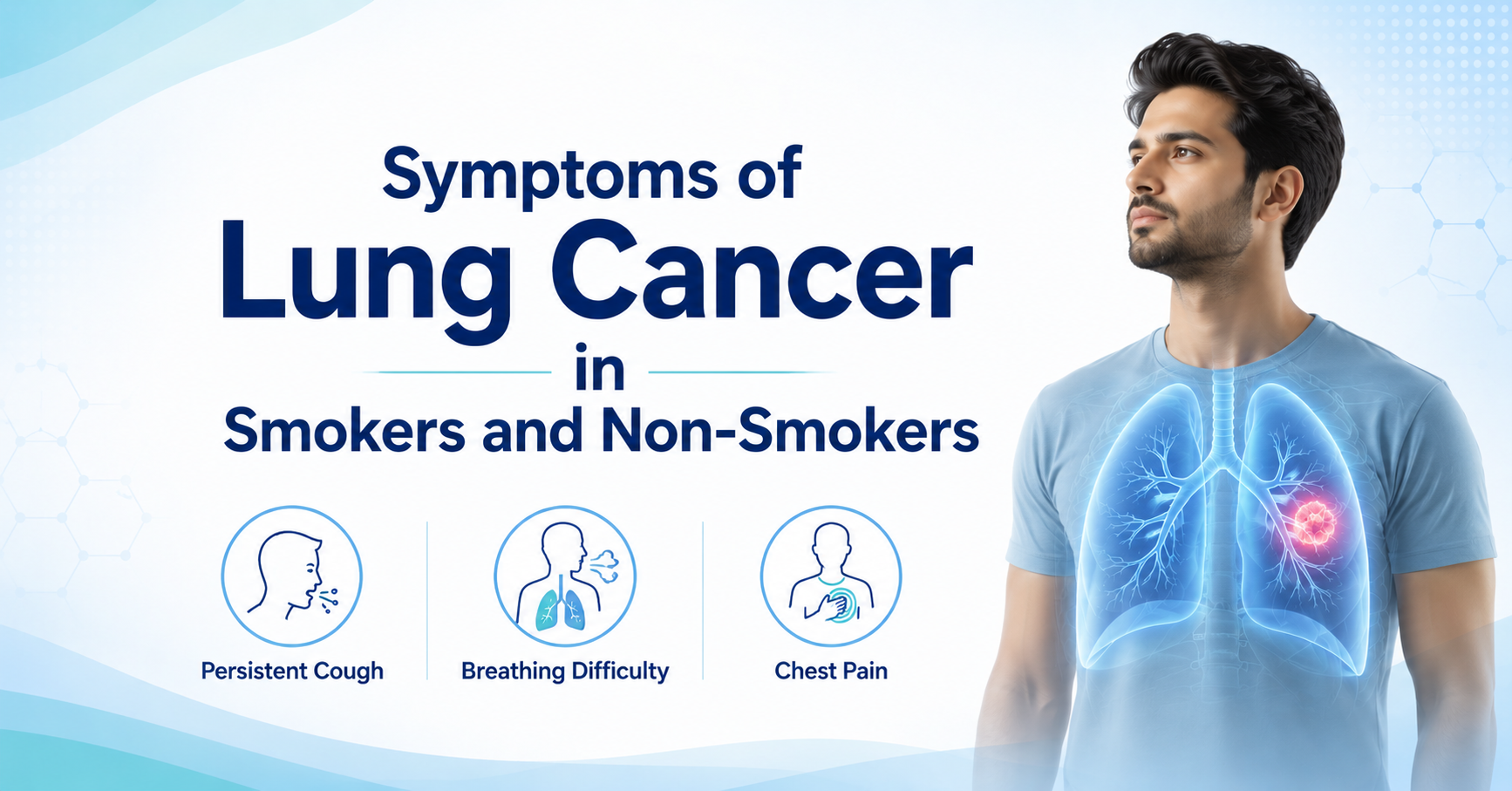
Lung Cancer Doesn’t Affect Everyone the Same Way
When many people think about lung cancer, they immediately associate it with smoking. While smoking remains one of the most significant risk factors, lung cancer can also develop in people who have never smoked. This often leads to delayed diagnosis because non-smokers may not believe they are at risk, while smokers may dismiss persistent respiratory problems as the effects of tobacco use.
Understanding how symptoms can appear in both groups encourages timely medical evaluation and helps improve awareness. Although the disease is the same, the way symptoms are noticed and interpreted may differ from one person to another.
Why Symptoms Are Often Overlooked
Many respiratory symptoms are commonly linked to everyday illnesses such as seasonal infections, allergies, or chronic respiratory conditions. Smokers may become accustomed to long-term breathing problems and assume that new changes are simply part of smoking. Non-smokers, on the other hand, may not consider lung cancer because they have never used tobacco.
These assumptions can delay medical consultation. Any symptom that persists, worsens over time, or differs from your usual health should be assessed by a healthcare professional, regardless of smoking history.
Symptoms Commonly Seen in Smokers
Individuals who smoke may experience ongoing respiratory symptoms for years. This can make it difficult to recognise when something more serious is developing.
Symptoms that deserve medical attention include:
- A cough that becomes more frequent or changes noticeably
- Chest discomfort that persists or gradually increases
- Coughing up blood, even in small amounts
- Increasing shortness of breath during routine activities
- Wheezing that develops without a known cause
- Recurrent chest infections that keep returning despite treatment
- Unexplained weight loss
- Ongoing tiredness that interferes with daily activities
These symptoms are not always caused by lung cancer, but they should never be ignored.
Symptoms That May Occur in Non-Smokers
Lung cancer in non-smokers may present differently because there is usually no long-standing smoking-related cough or chronic lung disease.
Some people may first notice:
- Breathlessness during activities that were previously comfortable
- Persistent chest discomfort without an obvious explanation
- Repeated respiratory infections
- A cough that continues for several weeks without improvement
- Loss of appetite accompanied by unexpected weight loss
- Hoarseness that does not resolve
- General weakness or reduced physical stamina
Because these symptoms are often linked to common illnesses, diagnosis may be delayed unless medical advice is sought promptly.
Similar Symptoms, Different Backgrounds
Although smokers and non-smokers have different risk profiles, many lung cancer symptoms overlap. Persistent coughing, difficulty breathing, chest pain, fatigue, and unexplained weight loss can occur in either group.
Rather than focusing only on whether someone smokes, healthcare professionals consider the overall pattern of symptoms, medical history, physical examination, and diagnostic investigations before identifying the underlying cause.
When Symptoms Continue Despite Treatment
Respiratory infections usually improve with appropriate treatment. However, if symptoms return repeatedly, continue beyond the expected recovery period, or fail to improve despite medication, further medical evaluation may be recommended.
Doctors may advise imaging studies or additional investigations to determine whether another condition is responsible for the ongoing symptoms.
Why Smoking Status Should Not Delay Medical Care
Some people avoid medical evaluation because they assume they are “too young,” “never smoked,” or “have smoked for years anyway.” These beliefs can become barriers to timely diagnosis.
Anyone experiencing persistent respiratory symptoms should seek professional medical advice. Lung cancer can affect smokers and non-smokers alike, and early evaluation helps identify the cause of symptoms more accurately.
Paying Attention to Changes Matters
Every person’s normal health is different. A noticeable change in breathing, coughing, energy levels, or overall physical condition should not be ignored simply because it seems minor.
Keeping track of symptoms, including when they began and whether they are getting worse, can provide useful information during a medical consultation and help doctors decide which investigations are appropriate.
Conclusion
Lung cancer can develop in both smokers and non-smokers, and its symptoms are not always interpreted in the same way. Smokers may attribute persistent respiratory problems to tobacco use, while non-smokers may overlook symptoms because they believe they are not at risk. In either situation, delaying medical evaluation can postpone diagnosis.
Recognising persistent respiratory changes and seeking timely medical advice is an important step toward understanding the cause of your symptoms. Regardless of smoking history, paying attention to ongoing changes in your health supports earlier assessment and informed medical care.