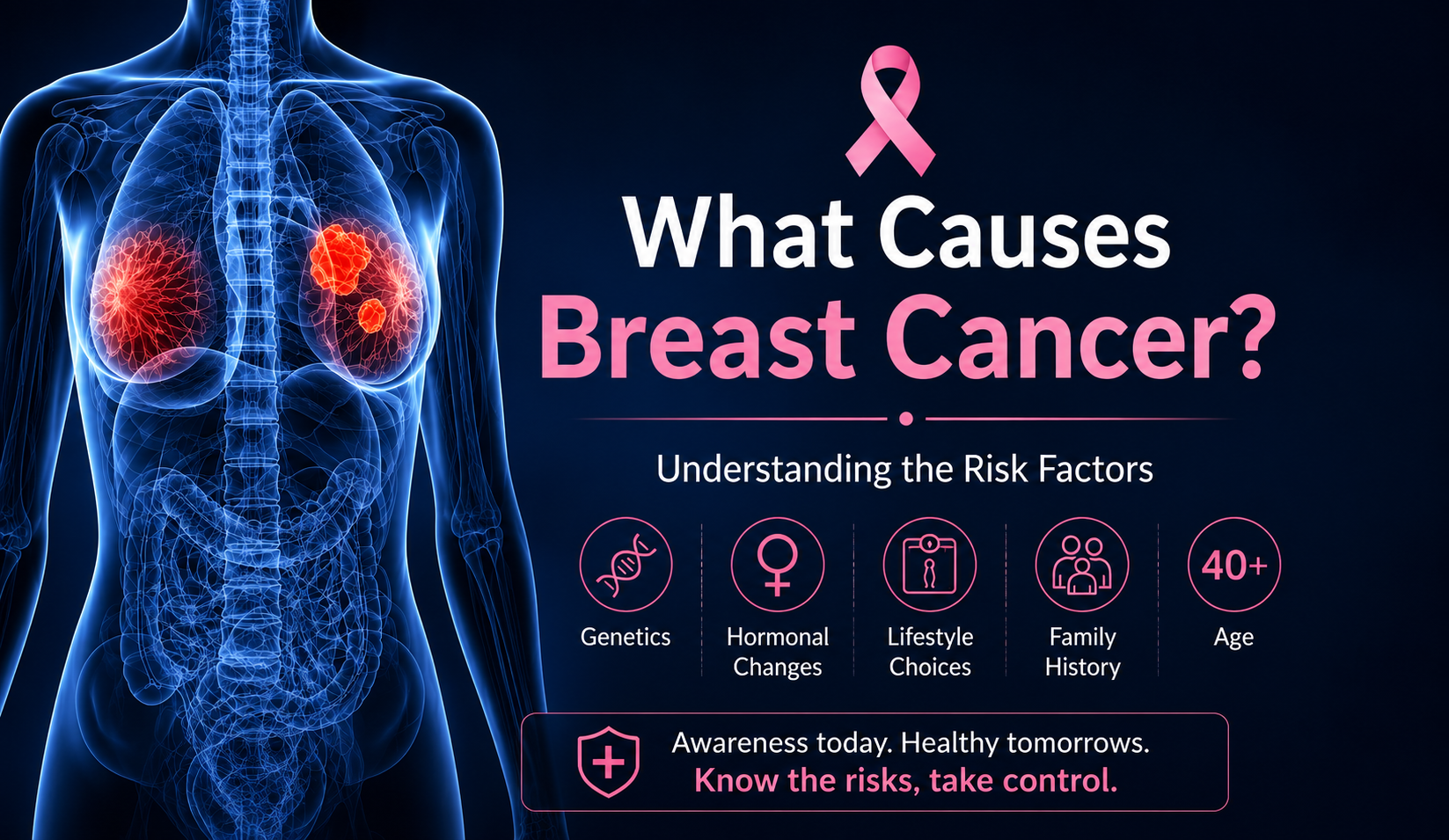
Breast cancer is one of the most common cancers affecting women worldwide. While many people wonder what exactly causes breast cancer, there is no single answer. In most cases, breast cancer develops due to a combination of genetic, hormonal, environmental, and lifestyle factors. Some people with several risk factors may never develop breast cancer, while others with no known risk factors may still be diagnosed with the disease.
Understanding these risk factors is not about creating fear—it’s about increasing awareness. Knowing what may increase your risk can help you make informed health decisions, recognize the importance of regular screening, and seek medical advice when needed.
What Are Risk Factors?
A risk factor is anything that increases the likelihood of developing a disease. Having one or more risk factors does not mean you will definitely develop breast cancer. Likewise, having no known risk factors does not guarantee that you are completely protected.
Some risk factors cannot be changed, while others are related to lifestyle choices that can be managed over time.
Risk Factors You Cannot Change
Age
The risk of breast cancer increases as women grow older. Although younger women can develop breast cancer, it is more commonly diagnosed after the age of 50. This is why regular health check-ups and recommended screening become increasingly important with age.
Family History and Genetics
Women with a close family member, such as a mother, sister, or daughter who has had breast cancer, may have a higher risk. Certain inherited gene mutations, including BRCA1 and BRCA2, can also increase the likelihood of developing breast cancer. However, most people diagnosed with breast cancer do not have a family history of the disease.
Hormonal and Reproductive Factors
Hormones play an important role in breast health. Starting menstruation at an early age, reaching menopause later in life, or certain hormone-related conditions may slightly increase breast cancer risk. Every individual’s hormonal profile is different, so these factors should be discussed with a healthcare professional when assessing personal risk.
Lifestyle Factors That May Increase Risk
Although some risk factors cannot be controlled, adopting healthier habits may help reduce the risk of breast cancer and improve overall well-being.
Maintaining a Healthy Weight
Excess body weight, particularly after menopause, has been associated with a higher risk of breast cancer. Maintaining a healthy weight through balanced nutrition and regular physical activity supports overall health.
Physical Inactivity
An active lifestyle benefits the entire body. Regular exercise helps maintain a healthy weight, supports hormone balance, and contributes to better overall wellness.
Alcohol Consumption
Research suggests that regular alcohol consumption may increase the risk of breast cancer. Limiting or avoiding alcohol is considered a healthier choice for long-term well-being.
Tobacco Use
Smoking and the use of other tobacco products are linked to several cancers and other serious health conditions. Avoiding tobacco is one of the most important steps toward protecting your overall health.
Does Diet Affect Breast Cancer Risk?
No single food can prevent or cause breast cancer. However, a balanced diet rich in fruits, vegetables, whole grains, legumes, lean proteins, and healthy fats supports overall health. Limiting highly processed foods, sugary drinks, and excessive intake of processed meats may contribute to a healthier lifestyle.
Healthy eating should be viewed as part of an overall approach to wellness rather than a guarantee against disease.
Why Regular Screening Is Important
Because breast cancer can develop without noticeable symptoms, routine screening plays a vital role in early detection. Clinical breast examinations, mammograms, and breast self-awareness help identify changes that may require further evaluation.
Women with a family history of breast cancer or other significant risk factors should discuss personalized screening recommendations with their healthcare provider.
A Holistic Perspective on Breast Health
Along with regular medical care, many individuals adopt healthy lifestyle practices to support overall wellness. Maintaining a nutritious diet, staying physically active, getting adequate sleep, managing stress, and following a consistent daily routine contribute to better long-term health.
Some individuals also choose supportive Ayurvedic care as part of their wellness journey. Ayurvedic practices focus on balanced nutrition, healthy digestion, and lifestyle guidance to promote overall well-being. These approaches should complement conventional medical care and should never replace recommended breast cancer screening, diagnosis, or treatment.
Conclusion
Breast cancer does not have a single cause, and many factors can influence an individual’s risk. While some risk factors such as age, genetics, and family history cannot be changed, adopting healthy lifestyle habits and participating in regular screening can support better breast health.
Understanding the risk factors empowers you to take proactive steps toward your health. Staying informed, paying attention to your body, and seeking timely medical advice when needed are important parts of breast cancer awareness and early detection.