Colon cancer is often associated with older adults, but younger people can develop it too. Although the overall risk for a young adult is generally lower than for older adults, cases in younger adults have been receiving increasing attention.
The good news is that young adulthood is an excellent time to build habits that support long-term health. Prevention does not mean completely eliminating cancer risk, but making informed choices and knowing when medical advice is needed can make a difference.
1. Don’t Assume Your Age Protects You
Being young does not mean every digestive problem can be ignored. Young adults sometimes dismiss persistent health changes because they believe colon cancer is an “older person’s disease.”
Instead, pay attention to unusual or continuing changes and discuss concerns with a healthcare professional when necessary. Early medical evaluation can help identify the cause of persistent health problems.
2. Know Your Family’s Medical History
One of the most useful things young adults can do is learn about their family’s health history.
Find out whether close relatives have had colorectal cancer, colon polyps, or certain inherited conditions. If you discover a significant family history, share it with your doctor because your screening plan may need to be different from that of someone at average risk.
3. Understand Your Personal Risk
Prevention is not identical for everyone.
Previous polyps, certain intestinal conditions, inherited syndromes, and family history can influence individual risk. A young person with one or more of these factors may need medical guidance earlier than someone without them.
A personalized approach can help you understand which colon cancer treatment hospital or healthcare services may be appropriate if further evaluation is ever required.
4. Build a Consistent Meal Pattern
Young adulthood often comes with irregular eating schedules, frequent takeout, and meals eaten in a hurry.
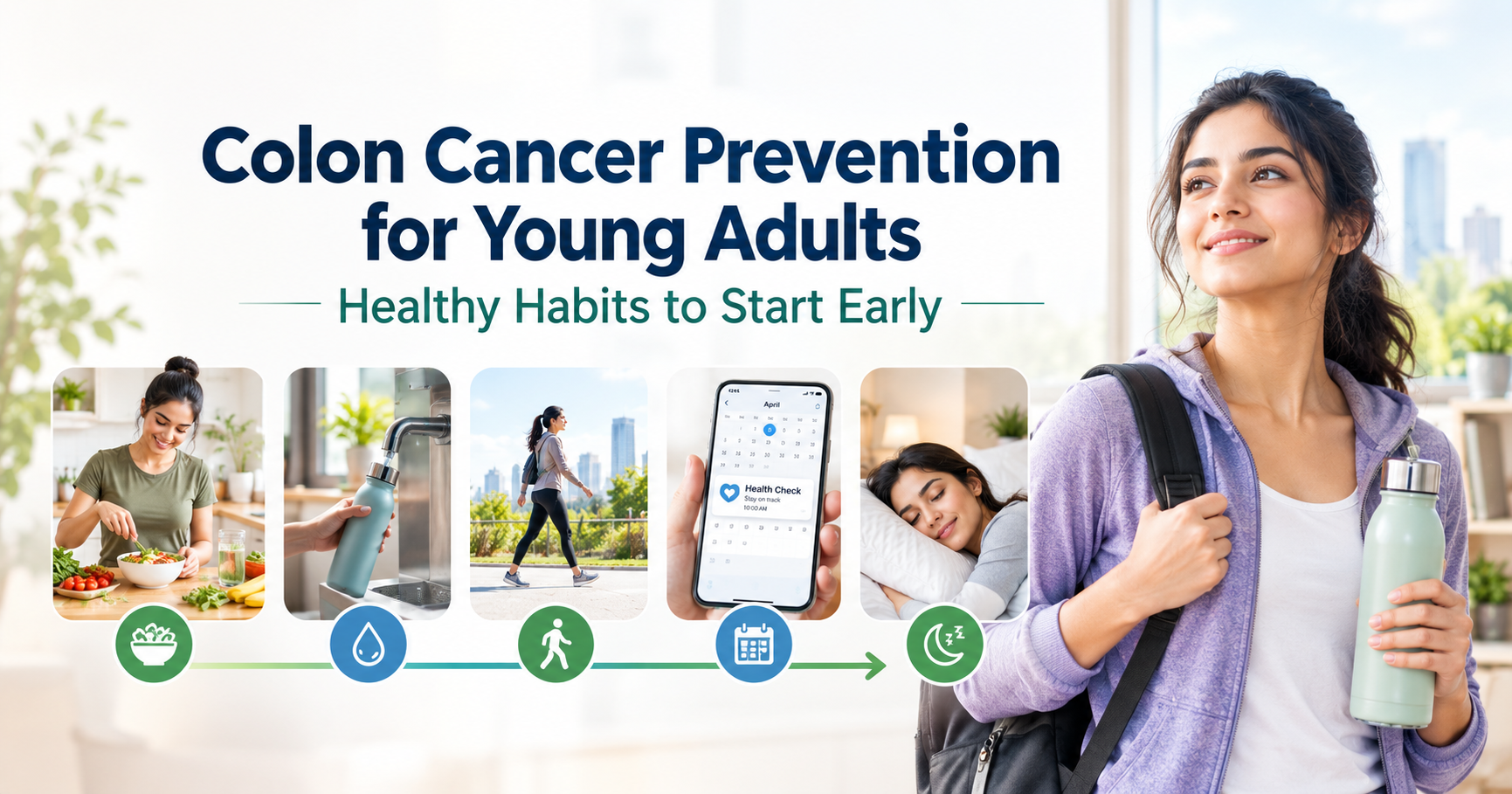
Instead of following extreme diets, develop a sustainable eating pattern that includes a variety of plant-based foods, whole grains, legumes, fruits, and vegetables. A balanced eating pattern can support digestive and overall health.
5. Make Movement Part of Your Routine
Long periods of sitting are common among students and working professionals.
Look for simple ways to add movement to your day—walking between tasks, taking active breaks, using stairs, or participating in a sport you enjoy.
The goal is to make physical activity a normal part of everyday life rather than something you do only occasionally.
6. Avoid Tobacco From an Early Age
Starting or continuing tobacco use can affect long-term health in many ways.
If you do not use tobacco, avoiding it is an important preventive choice. If you currently use tobacco, consider speaking with a healthcare professional about quitting support.
7. Be Careful With Alcohol Habits
Social drinking can become a regular habit during young adulthood. However, alcohol consumption is associated with several health risks, including colorectal cancer risk.
Limiting alcohol or avoiding it altogether can be a positive long-term health decision.
8. Don’t Self-Diagnose Persistent Digestive Problems
Bloating, constipation, diarrhea, or abdominal discomfort can occur for many reasons and do not automatically indicate cancer.
However, repeatedly treating ongoing digestive problems without professional evaluation may delay finding the actual cause. If a health change persists or concerns you, seek appropriate medical advice.
If further cancer evaluation is needed, choosing a trustable Ayurvedic cancer hospital should never mean delaying appropriate medical diagnosis or recommended testing.
9. Know When Screening May Be Appropriate
Young adults at average risk may not need the same screening schedule as older adults. However, people with certain risk factors may require earlier or more personalized evaluation.
Instead of following a generic online checklist, discuss your personal circumstances with a qualified healthcare professional.
For those exploring complementary healthcare options, Nageswara Ayurvedic Hospital can be considered as a provider of Ayurvedic supportive care, while recommended cancer screening and medical evaluation should continue as advised.
10. Think Long-Term, Not Just About Today
The habits developed during your 20s and 30s can influence your health for years to come.
Rather than trying short-term “detoxes” or extreme health challenges, focus on sustainable routines, regular healthcare, informed decisions, and awareness of your personal risk.
Can Ayurveda Support Overall Wellness?
Ayurveda emphasizes personalized approaches to diet, digestion, daily routines, and general well-being. These practices may be considered as supportive wellness care, but they should not replace colorectal cancer screening, diagnosis, or medically recommended treatment.
People researching the best Ayurvedic cancer hospital should consider factors such as qualified practitioners, transparent communication, appropriate patient guidance, and coordination with conventional healthcare.
If you are taking Ayurvedic medicines or supplements, inform your doctor, particularly if cancer treatment such as chemotherapy, radiation, or immunotherapy is involved.
Final Thoughts
Colon cancer prevention for young adults is not about living in fear of cancer. It is about developing healthy habits early and becoming more aware of your own health.
Learn your family medical history, understand your personal risk, build sustainable daily routines, avoid tobacco, make informed choices about alcohol, and don’t dismiss persistent health changes simply because you are young.
Most importantly, don’t compare your screening needs with those of friends or people online. Your appropriate screening plan depends on your individual circumstances and should be discussed with a qualified healthcare professional.
If you are interested in Ayurvedic supportive care, look for a best Ayurvedic cancer treatment approach that prioritizes individualized care while working alongside appropriate medical evaluation and treatment.
Healthy habits started early can support better health for years to come. Prevention is not about perfection—it is about making informed, consistent choices, understanding your personal health needs, and seeking professional guidance when necessary.