Healing Continues Even After Chemotherapy Ends
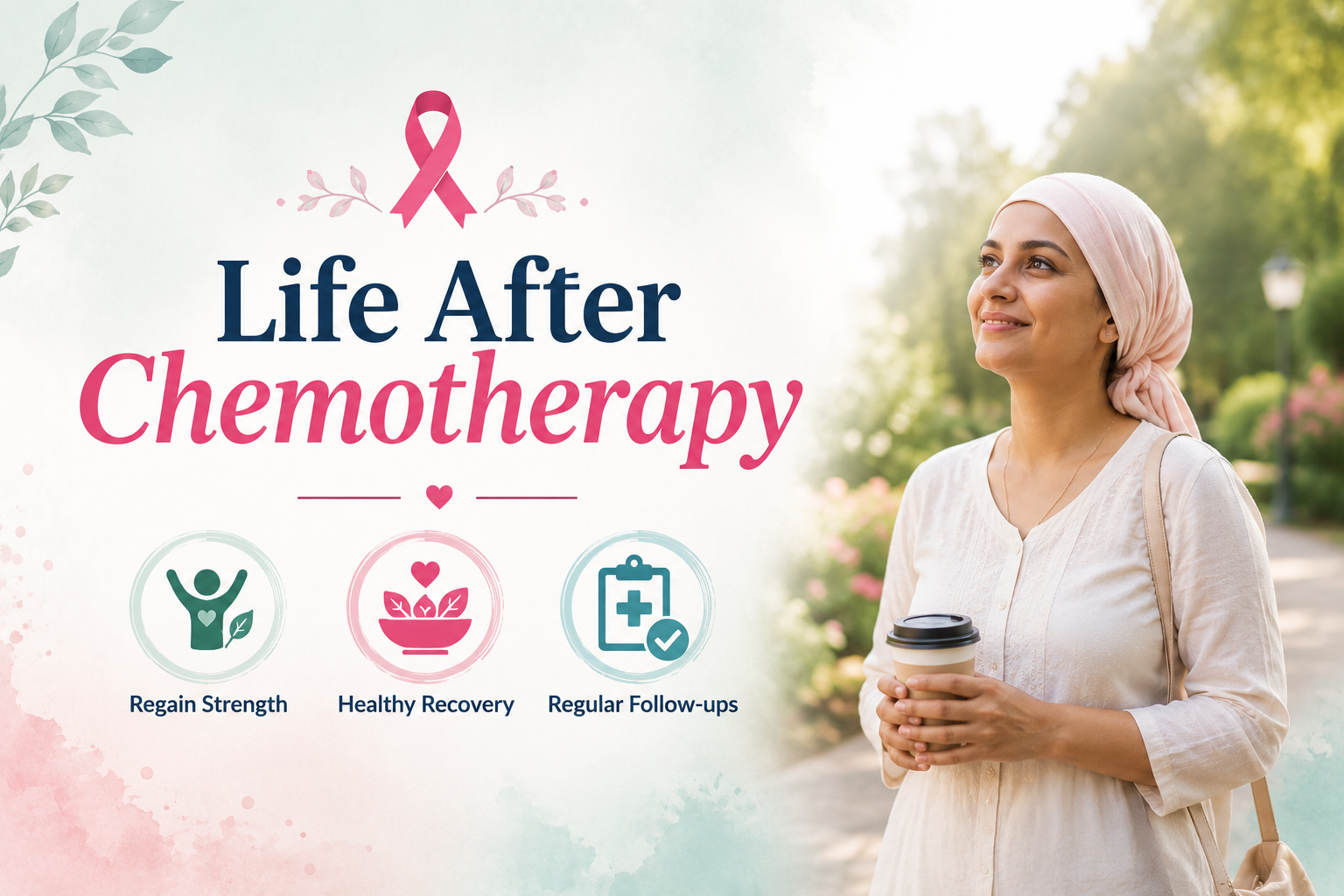
Finishing chemotherapy is an important milestone in the treatment of breast cancer, but it is not the end of the recovery journey. Many patients expect to feel normal immediately after their final chemotherapy session. However, it is common for the body to continue healing for weeks or even months after treatment.
Some chemotherapy side effects gradually improve with time, while others may take longer to recover. Understanding these changes can help patients care for themselves with confidence and know when to seek medical advice. Recovery is about giving the body the time, nutrition, and support it needs to regain strength.
Why Some Side Effects Continue After Chemotherapy
Chemotherapy targets rapidly growing cancer cells, but it can also temporarily affect healthy cells. Even after treatment ends, the body continues repairing these healthy tissues. This is why certain side effects may persist during recovery.
The severity and duration of side effects vary from person to person depending on the chemotherapy medicines used, overall health, age, and the body’s healing process.
Recovering from Fatigue
Feeling tired after chemotherapy is one of the most common concerns among breast cancer patients. This type of fatigue may not disappear after a good night’s sleep and can affect daily activities.
Recovery becomes easier by balancing rest with gentle movement. Short walks, stretching exercises, and light yoga can gradually improve stamina. Eating nutritious meals, drinking enough water, and maintaining a regular sleep schedule also help the body regain energy over time.
Hair Regrowth Takes Time
Hair loss during chemotherapy can be emotionally challenging, but in most cases, hair begins to grow back a few weeks or months after treatment is completed.
New hair may initially feel softer, curlier, or have a slightly different color. During this period, use mild shampoos, avoid excessive heat styling or harsh chemical treatments, and include protein-rich foods such as eggs, lentils, fish, beans, and nuts to support healthy hair growth.
Managing Changes in Taste and Appetite
Some patients continue to notice changes in taste even after chemotherapy has ended. Foods may taste bland, bitter, or metallic, making it difficult to enjoy regular meals.
Choosing freshly prepared home-cooked meals, eating smaller portions more frequently, and including colorful fruits, vegetables, whole grains, and lean proteins can make meals more enjoyable while providing essential nutrients. Staying well hydrated also supports overall recovery.
Dealing with Tingling or Numbness
Certain chemotherapy medicines may cause tingling, numbness, or burning sensations in the hands and feet, a condition known as peripheral neuropathy.
Although these symptoms often improve gradually, patients should protect their hands and feet from injury, wear comfortable footwear, and avoid walking barefoot. Gentle stretching and discussing persistent symptoms with the healthcare team can help manage this side effect safely.
Supporting Your Immune System
After chemotherapy, the immune system may need time to recover. During this period, reducing the risk of infection is important.
Simple precautions include washing hands regularly, eating freshly prepared food, drinking safe water, avoiding close contact with people who are unwell, and following your doctor’s advice regarding vaccinations or blood tests.
Looking After Emotional Health
Recovery involves emotional healing as well as physical healing. It is normal to experience anxiety, fear of recurrence, or uncertainty about the future after chemotherapy.
Talking with family members, joining breast cancer support groups, practicing meditation, deep breathing, or speaking with a mental health professional can help patients cope with emotional challenges and build confidence during recovery.
Continue Regular Follow-Up Care
Completing chemotherapy does not mean follow-up care should stop. Regular medical appointments help monitor recovery, evaluate overall health, and detect any concerns at an early stage.
If you notice persistent pain, new breast changes, swelling, unexplained weight loss, fever, or any unusual symptoms, consult your healthcare provider without delay instead of waiting for your next scheduled visit.
Healthy Habits That Support Long-Term Recovery
Recovery after chemotherapy is an ideal time to build healthy daily habits. Eating a balanced diet, staying physically active within your comfort level, getting enough sleep, avoiding tobacco, limiting alcohol, and managing stress all contribute to long-term wellness.
Many individuals also choose supportive Ayurvedic care to promote healthy digestion, balanced nutrition, and overall well-being. These practices should always complement conventional medical care and never replace the follow-up recommendations provided by your oncology team.
Conclusion
Life after chemotherapy is a gradual process of healing, rebuilding strength, and adjusting to a new routine. Although side effects such as fatigue, hair loss, taste changes, weakened immunity, or tingling sensations may continue for some time, most improve gradually with proper care and medical guidance.
By following a nutritious diet, staying active, attending regular follow-up appointments, and seeking support whenever needed, breast cancer patients can promote a smoother recovery and improve their overall quality of life after chemotherapy.